
عربي
عربي
Passionately developing careers since 2000.
عربي
عربي

Nov 22nd 2025
Key Performance Indicators (KPIs) are the backbone of strategic management. They allow organizations to measure progress, evaluate effectiveness, and make informed decisions. But not all KPIs are created equal. The key to strategic success lies in choosing the right indicators—those that align with long-term objectives and drive meaningful action.
First, KPIs must be linked directly to strategic goals. If a company’s objective is to expand into new markets, then measuring internal employee satisfaction, while important, is not a strategic KPI for that particular goal. Relevant KPIs could include market penetration rates, revenue from new regions, or number of new partnerships formed.
Second, KPIs must be clear, specific, and quantifiable. Vague metrics such as “improve productivity” are difficult to manage. Instead, KPIs should define what success looks like—e.g., “reduce average production cycle time by 10% within six months.”
Third, balance is essential. A good KPI framework includes a mix of financial and non-financial indicators, as well as short- and long-term measures. This prevents tunnel vision and ensures a more holistic approach to performance management.
Moreover, ownership and accountability are vital. Each KPI should have a person or team responsible for its performance. This fosters focus and drives continuous improvement.
Review and adaptation are equally important. KPIs should not be static; they must evolve with the business environment. Periodic reviews help organizations refine their measurement systems and stay aligned with shifting priorities.
Ultimately, KPIs are more than just numbers—they are strategic tools that translate vision into measurable progress.
Takeaway: Great strategy demands great measurement—choose KPIs that reflect what truly matters to your future.
Nov 22nd 2025
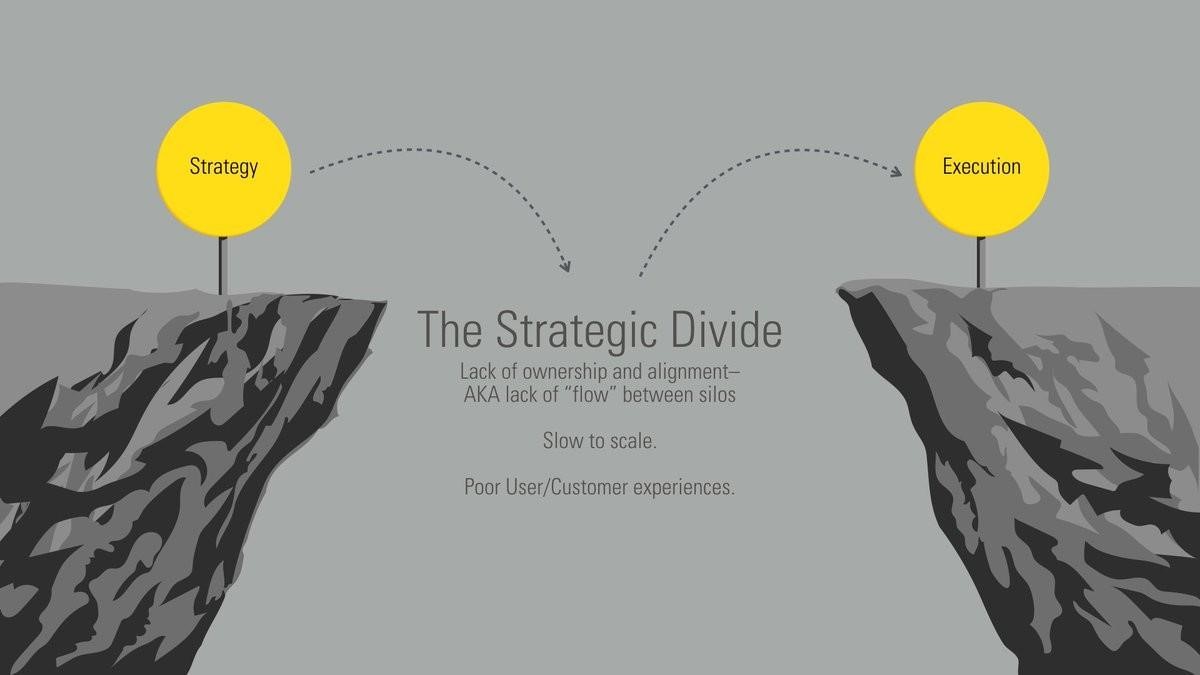
Many organizations create bold and inspiring strategic plans, but few manage to execute them effectively. The gap between strategy and execution remains one of the biggest challenges in business today....
Read More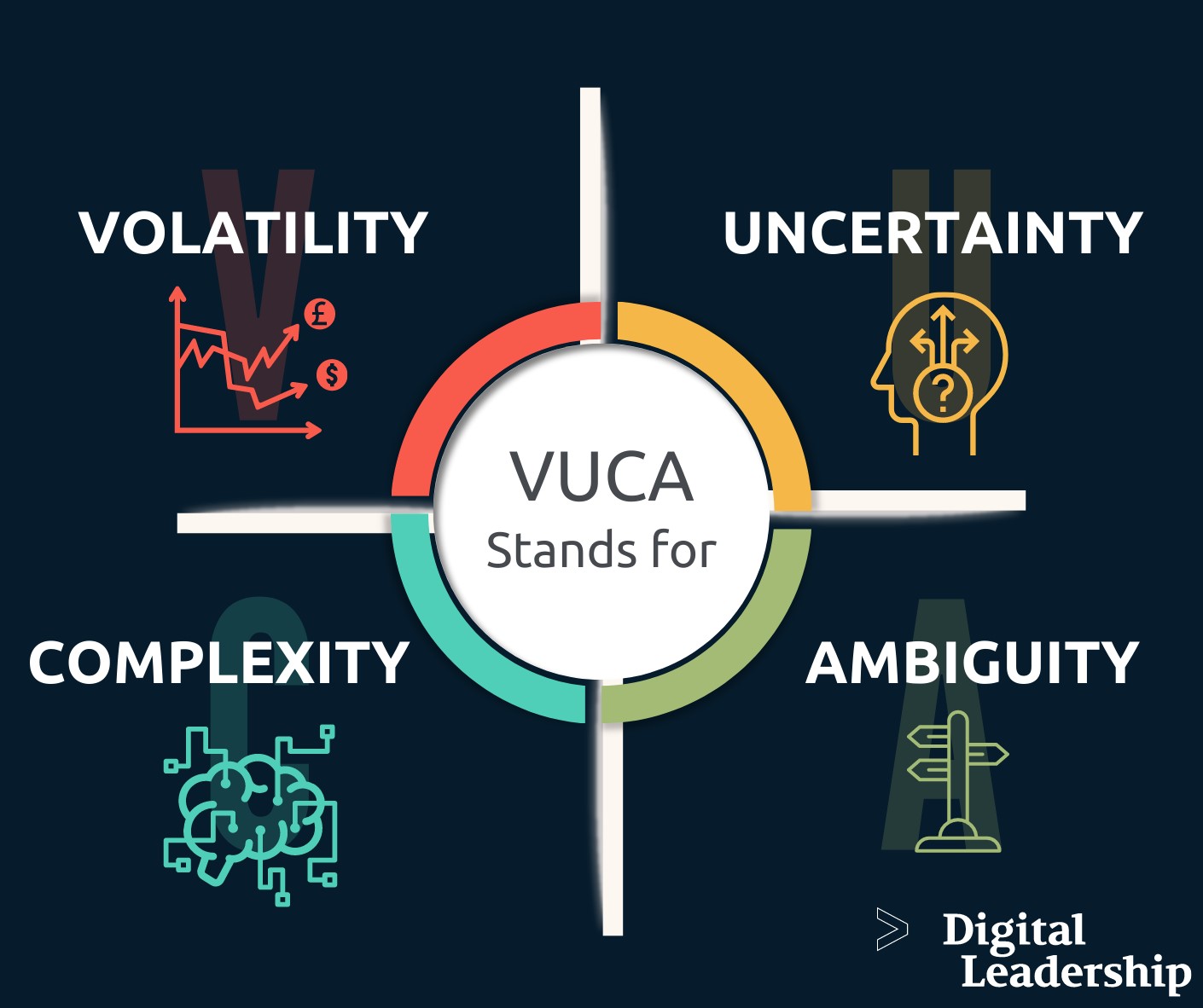
Nov 22nd 2025
Today’s business environment is more volatile, uncertain, complex, and ambiguous—often described using the acronym VUCA. In such a world, traditional planning methods often fall short. Strategic planning must now be...
Read More