
عربي
عربي
Passionately developing careers since 2000.
عربي
عربي

Nov 22nd 2025
The COVID-19 pandemic, global conflicts, and raw material shortages have exposed the fragility of global supply chains. In today’s unpredictable world, supply chain resilience has become a strategic necessity, not just a logistical concern. Organizations must design supply chains that can absorb shocks and adapt rapidly to change.
One critical element is diversification of suppliers and sourcing locations. Relying on a single supplier or country increases vulnerability. Companies are now building multi-source strategies to reduce dependency and ensure continuity during disruptions.
Visibility across the entire supply chain is another key to resilience. Real-time tracking of goods, inventory levels, and logistics status enables faster decision-making and early problem detection. Digital tools and platforms provide transparency that allows proactive responses to disruptions.
Strategic stockpiling and inventory buffers also play a role. While lean inventory practices aim to reduce costs, having safety stocks of critical components helps bridge gaps during emergencies and prevents production halts.
Furthermore, collaboration with suppliers and logistics partners is essential. Building strong relationships and sharing contingency plans fosters trust and joint problem-solving during crises.
Finally, scenario planning and risk modeling enable businesses to prepare for different types of disruptions—cyberattacks, climate events, or geopolitical instability—and test their responses in advance.
Takeaway: Supply chain resilience isn’t just about surviving disruption—it’s about thriving through it.
Nov 22nd 2025
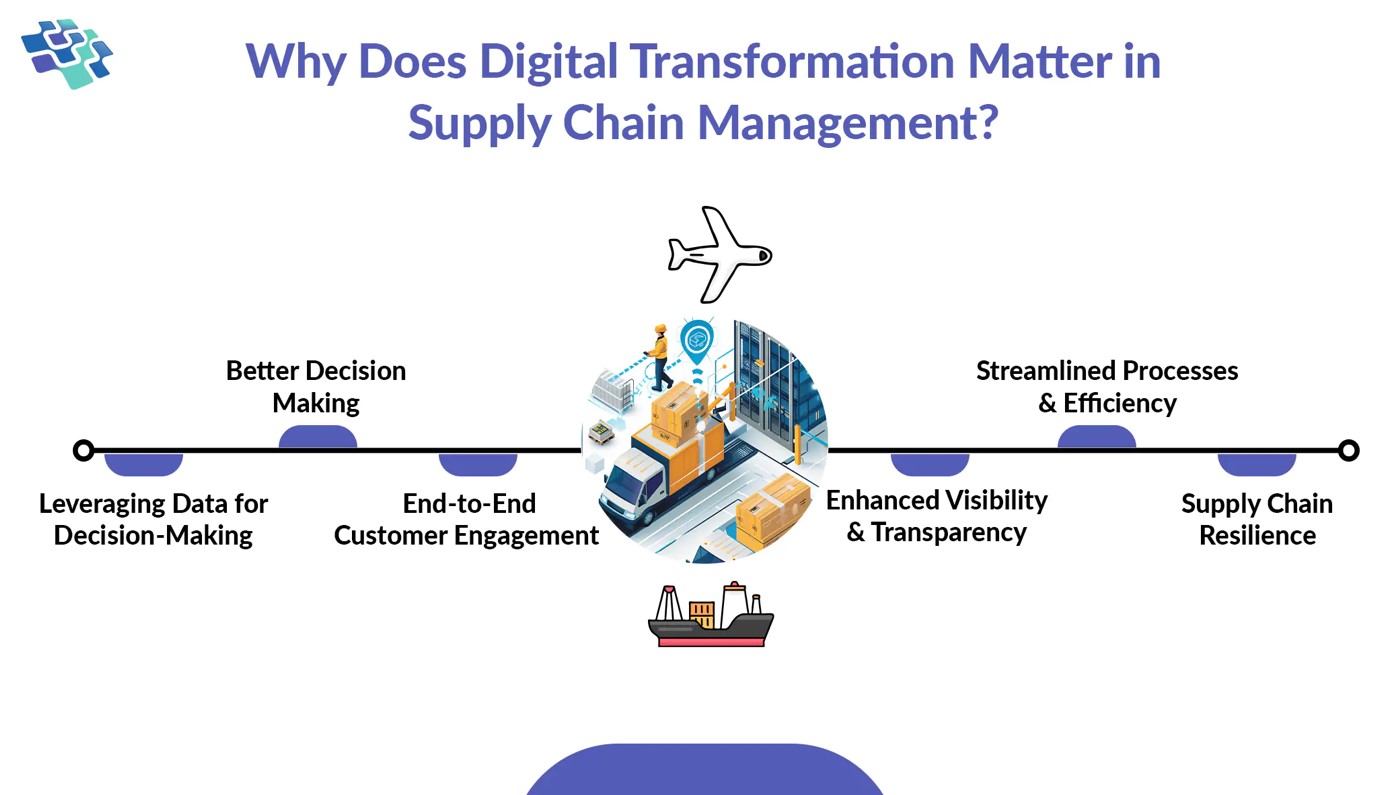
Digital transformation is revolutionizing supply chains across industries. From AI-driven forecasting to blockchain traceability, modern technologies are enhancing visibility, boosting efficiency, and enabling faster, more informed decisions. For organizations, adopting...
Read More
Nov 22nd 2025
Procurement has evolved far beyond the traditional role of cutting costs and managing suppliers. Today, strategic procurement is about creating long-term value, building strong supplier relationships, and contributing to overall...
Read More