
عربي
عربي
Passionately developing careers since 2000.
عربي
عربي
Nov 22nd 2025
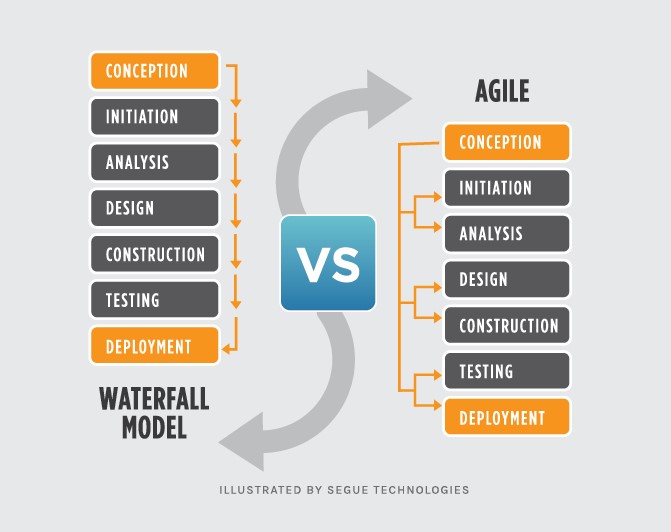
When managing a project, one of the first decisions you’ll face is selecting the appropriate methodology. Should you choose a Waterfall approach, with its structured, sequential phases, or go for an Agile framework, which emphasizes flexibility and iteration? The answer depends on your project’s nature, complexity, and environment.
The Waterfall method is ideal for projects with well-defined goals, fixed requirements, and minimal expected changes. Industries such as construction or manufacturing benefit from this model because it ensures control, documentation, and step-by-step progress.
On the other hand, Agile methodology is best suited for dynamic environments where client needs evolve and collaboration is continuous—like software development. Agile encourages iterative development, regular feedback, and team empowerment.
Time and cost predictability also play a role. Waterfall provides clearer upfront estimates, while Agile allows for adaptability but may involve more variable timelines and budgets.
A growing trend is the hybrid approach, combining the structure of Waterfall with the flexibility of Agile. For example, strategic planning can be done using Waterfall, while development and delivery phases adopt Agile principles.
Ultimately, the best choice is not about which method is better—but which method is better for your specific context.
Takeaway: Understanding both Agile and Waterfall helps you tailor your project approach for better results.
Nov 22nd 2025
Every project faces risks—whether from shifting timelines, budget overruns, supplier delays, or changing stakeholder expectations. The difference between failed and successful projects often lies in how risks are identified, assessed,...
Read More
Nov 22nd 2025
Project management is no longer just about tracking deadlines and assigning tasks. The role of the project manager has evolved into a strategic leadership function that drives innovation, change, and...
Read More