
عربي
عربي
Passionately developing careers since 2000.
عربي
عربي
Nov 22nd 2025
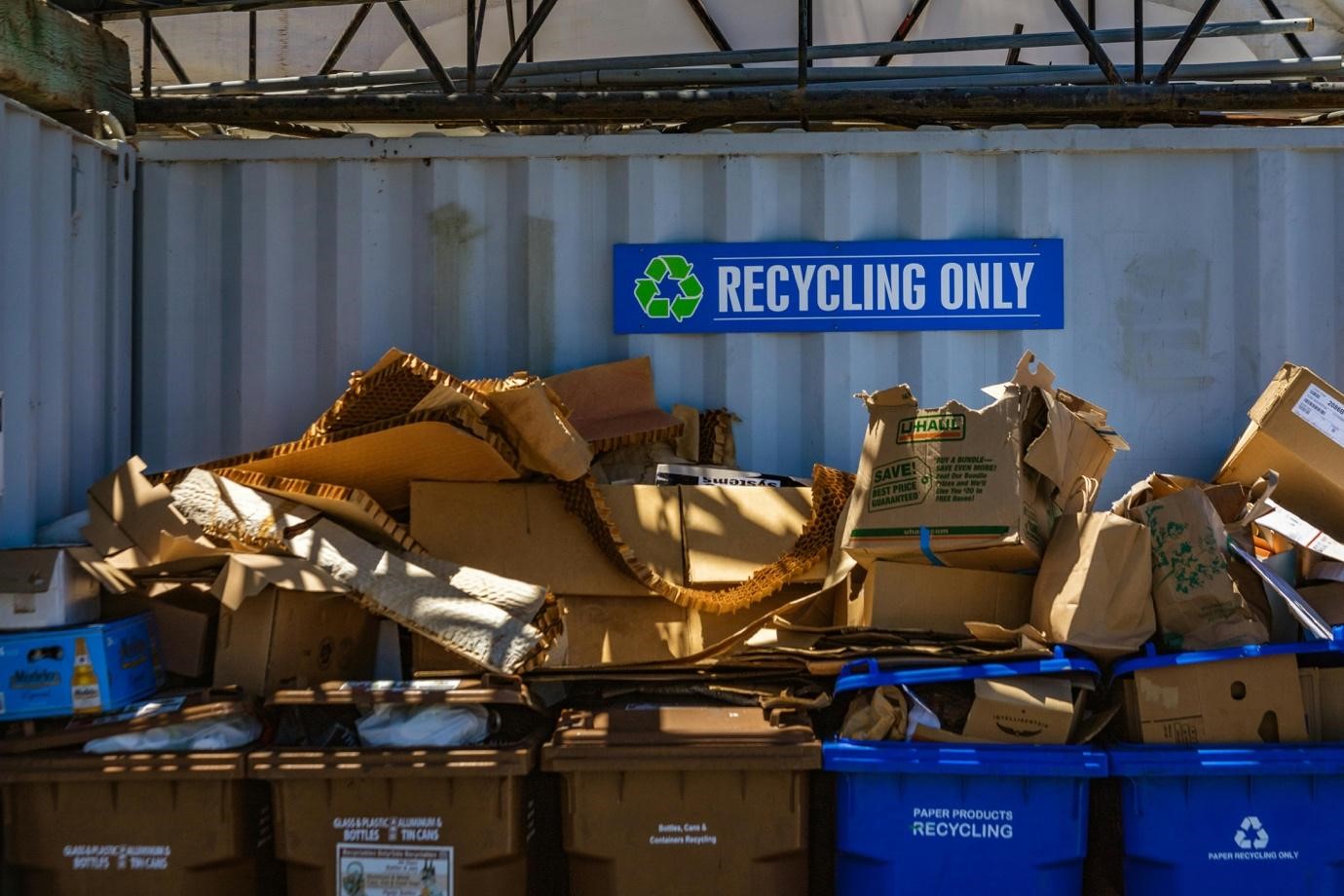
Traditional business models follow a linear pattern: take, make, use, and dispose. This approach has led to excessive waste, resource depletion, and environmental degradation. In contrast, the circular economy offers a sustainable alternative—an economic system where waste is minimized, and materials are reused, repurposed, or recycled to create ongoing value.
At the heart of circular thinking is the idea that nothing is wasted. Products are designed for durability, repairability, and eventual recycling. Instead of ending a product's life in a landfill, companies rethink how to extend its value.
Leading brands are now embracing circular practices, such as offering product take-back programs, remanufacturing goods, or selling services instead of products (e.g., leasing equipment instead of selling it). This not only reduces environmental impact but also opens up new revenue streams and customer loyalty.
The circular economy also encourages collaboration. Supply chains become ecosystems where materials flow continuously, and partners share responsibility for sustainability goals.
While transitioning to circularity may require investment and change, the long-term benefits—cost savings, brand differentiation, and environmental protection—make it worth the effort.
Takeaway: In a circular economy, waste is not a problem—it’s an opportunity.
Nov 22nd 2025
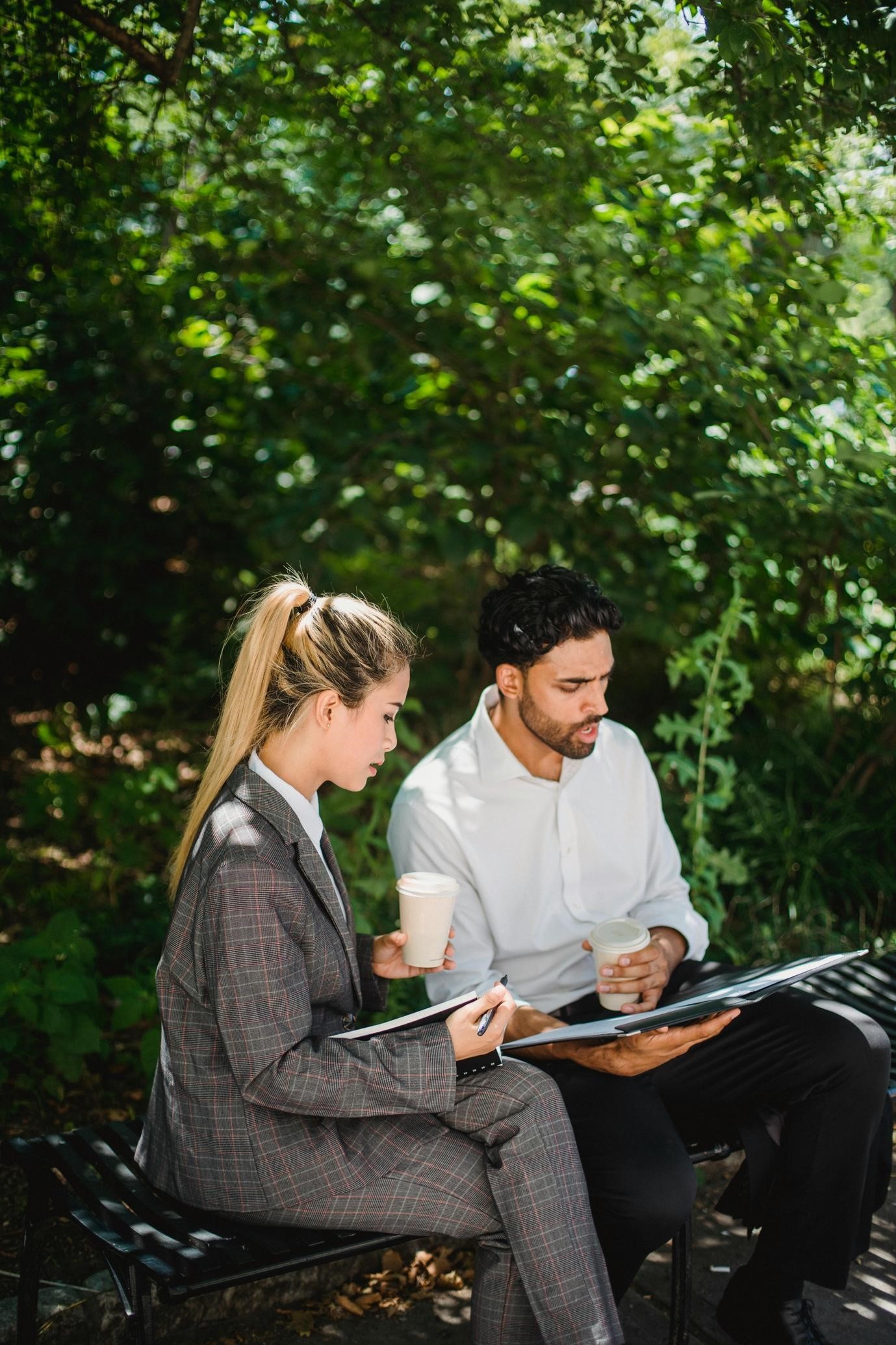
Sustainability isn’t just a strategy—it’s a mindset, and it starts at the top. Leaders who embrace environmental and social responsibility are shaping a new era of business where profit aligns...
Read More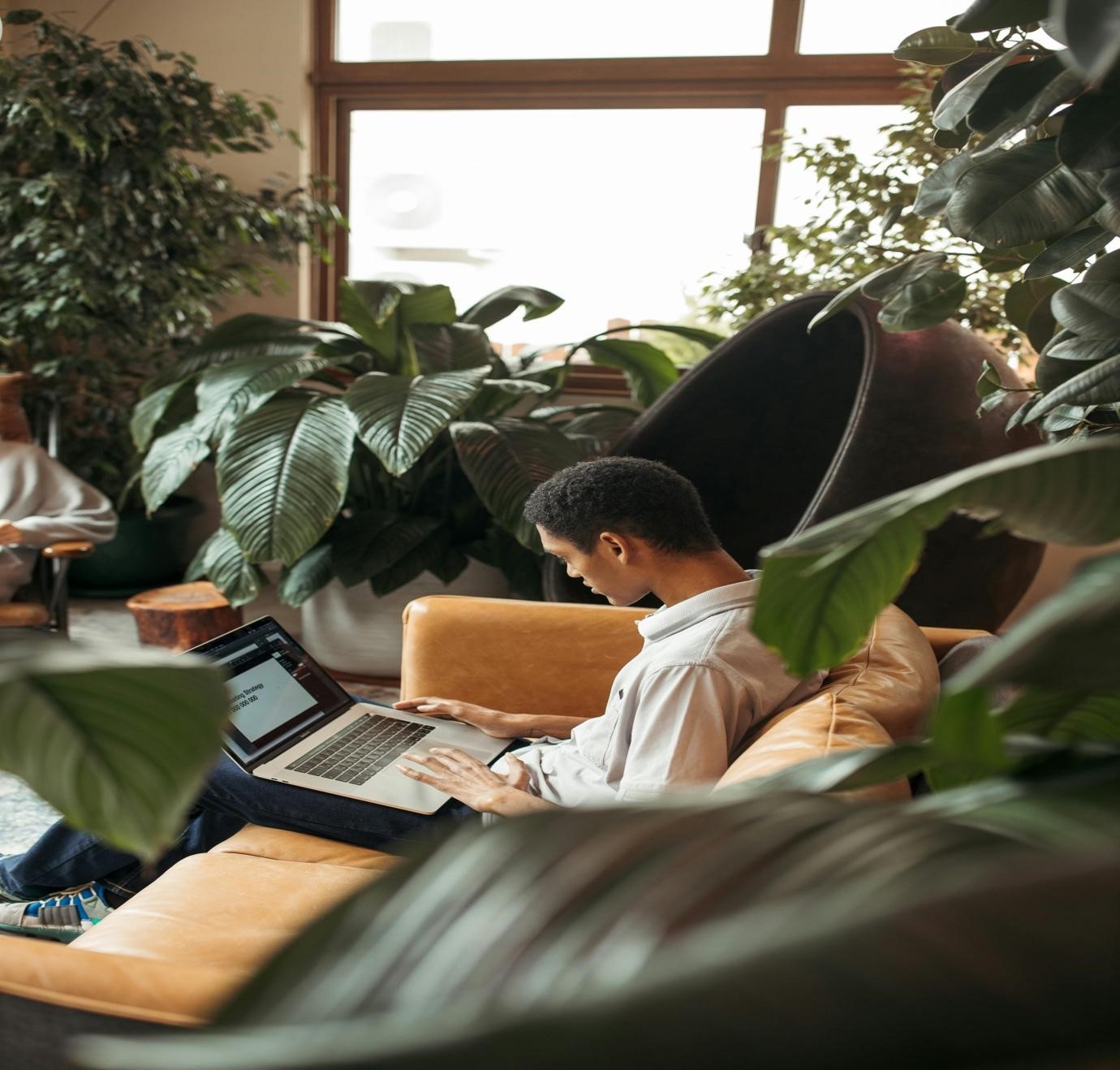
Nov 22nd 2025
Sustainability is no longer a niche concept or a public relations slogan. Today, it is a core strategy for companies that want to thrive in a world facing climate change,...
Read More