
عربي
عربي
Passionately developing careers since 2000.
عربي
عربي
Nov 22nd 2025
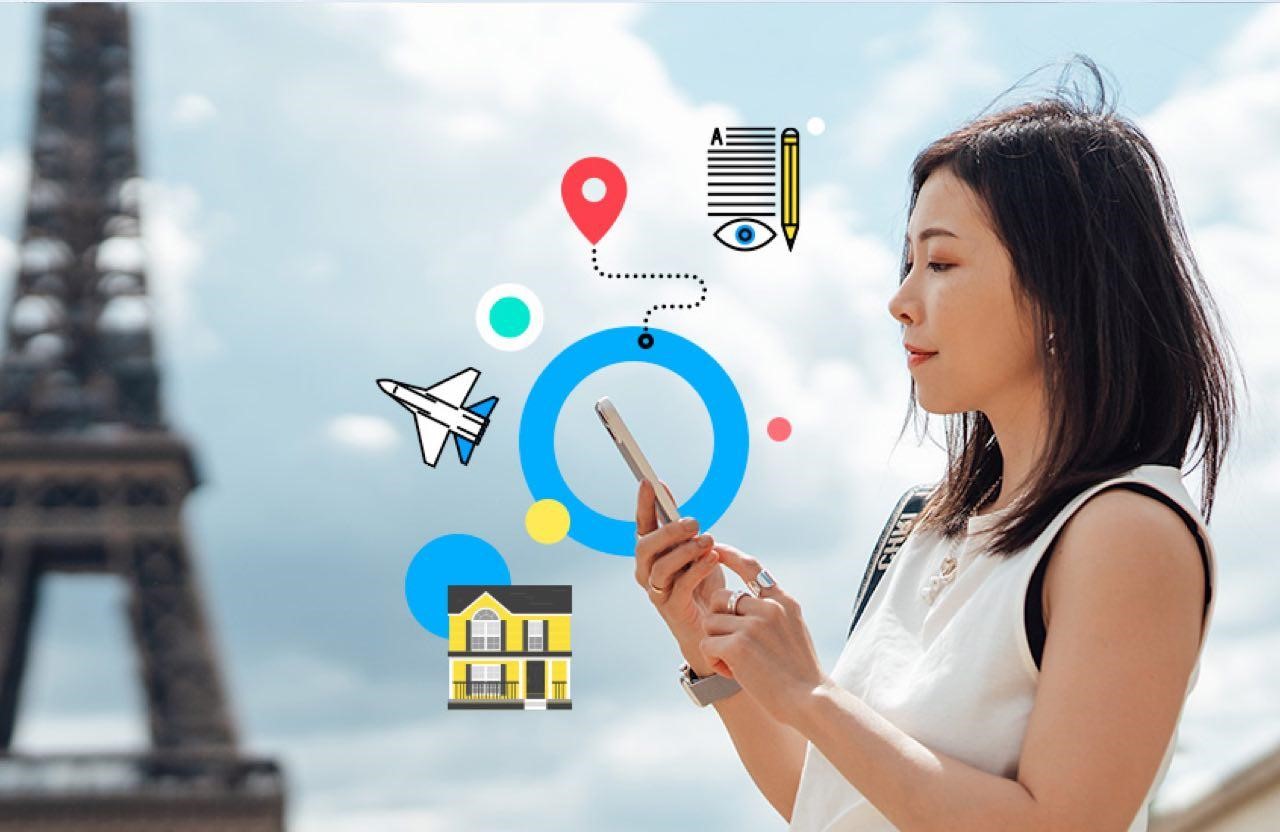
Technology has become a cornerstone of modern tourism. From booking platforms to digital maps, travelers now enjoy faster, more personalized, and more efficient experiences. But the rise of smart tourism goes far beyond convenience—it’s reshaping how destinations are managed and how tourists interact with the world.
Smart tourism refers to the integration of digital technologies into every aspect of travel, including planning, transportation, communication, and even sustainability. Mobile apps, virtual reality, IoT sensors, and AI-driven recommendations are just a few examples.
For tourists, this means enhanced decision-making—such as avoiding crowded attractions in real time, customizing itineraries based on preferences, or receiving safety alerts during their trip.
For tourism providers and governments, smart solutions offer valuable data insights. Cities can track visitor flows, optimize transportation, and reduce pressure on overburdened sites. Smart systems also improve accessibility and help make tourism more inclusive.
Importantly, smart tourism must also respect privacy and cultural authenticity. Technology should enhance—not replace—the human aspect of travel.
Takeaway: Smart tourism blends innovation with experience, creating journeys that are intelligent, engaging, and sustainable.
Nov 22nd 2025
In a highly competitive travel industry, destinations are no longer just locations on a map—they are brands with stories, emotions, and identities. Effective destination branding is what makes travelers choose...
Read More
Nov 22nd 2025
Tourism is one of the world’s largest industries, bringing economic benefits, cultural exchange, and global connectivity. However, rapid and unregulated growth can lead to over-tourism, environmental degradation, and loss of...
Read More