عربي
عربي
Passionately developing careers since 2000.
عربي
عربي
Why Attend
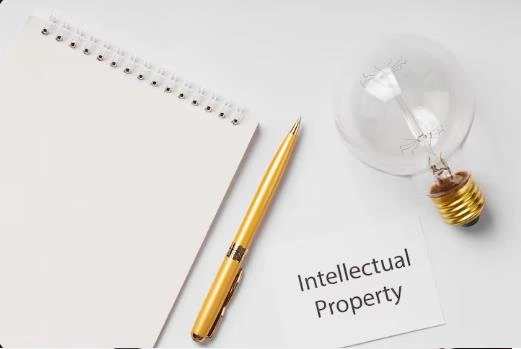
Intellectual property rights can be defined as those rights that apply to intangible things that cannot be valued in money, such as ideas and inventions resulting from the human mind. Examples of these include the right of a writer or author to his works, the right of an inventor to his invention, and the right of a factory owner to the industrial designs and models that distinguish his products. Intellectual property is also defined as the powers granted by law to a person over an intangible thing that is the fruit of his thought and mental production. Or it is everything that a person has a right to, by force of law, over his intellectual or mental production, whatever the type of this right and whatever its nature.
Overview
Course Outline
Schedule & Fees
Objectives
Introducing intellectual property laws and developing legal skills related to the mechanisms for resolving intellectual property disputes through arbitration.
Statement of Obstacles to Expeditious Resolution of Intellectual Property Disputes
The economic effects of arbitration jurisdiction in intellectual property disputes
Learn about the rules governing intellectual property claims as a specialized judicial system.
Understanding the importance of intellectual property issues in the arbitration system
Methodology
This course uses a variety of group discussions along with individual and group exercises. A number of written exercises will also be used throughout the course.
Target groups
It targets all those interested in intellectual property, such as legal researchers, specialists in intellectual property issues, judges, public prosecutors, lawyers, graduate students, industrialists, traders, owners of names and trademarks, and employees of legal departments in economic development departments, chambers of commerce and industry, and the Ministry of Economy and Finance.
Target competencies
Knowledge of forms of intellectual property (copyright, patents, trademarks)
Knowing how to preserve individuals' property rights and protect them from theft
Knowing the conditions necessary to apply intellectual property rights
Larimar will help you find what you are looking for