
عربي
عربي
Passionately developing careers since 2000.
عربي
عربي
Nov 22nd 2025
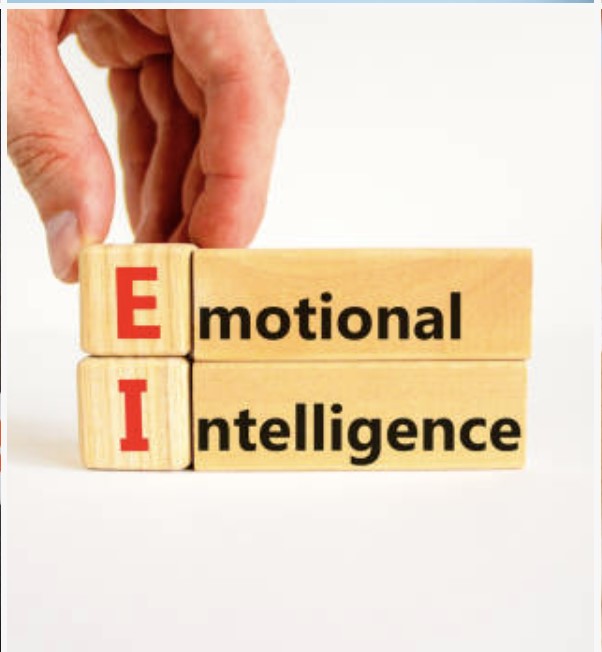
Emotional Intelligence (EI) is more than a buzzword—it's a powerful skill that can transform the way we live, work, and relate to others. While traditional intelligence (IQ) might open doors, it’s often emotional intelligence that determines how far we go through those doors.
At its core, EI is about being aware of your emotions, managing them effectively, and using that awareness to navigate social interactions wisely. It consists of several key components:
People with high emotional intelligence tend to be better listeners, more adaptable, and more resilient during difficult times. They lead with empathy, collaborate more effectively in teams, and often rise to leadership positions—not because they're the loudest voice in the room, but because they understand what others need and how to respond thoughtfully.
In professional settings, EI can improve teamwork, customer service, and leadership. In personal life, it helps build trust, handle conflict, and deepen relationships. In fact, research shows that emotional intelligence is a stronger predictor of success than IQ in many cases.
The good news? EI can be learned and strengthened over time. Through self-reflection, active listening, and practicing empathy, anyone can develop this life-changing skill. As workplaces and societies grow more complex, emotional intelligence is becoming not just a nice-to-have, but a must-have.
So whether you're managing a team, raising a family, or simply working on becoming your best self, emotional intelligence is the tool that can help you get there.

Nov 22nd 2025
Giving feedback can often feel uncomfortable, yet it is a crucial skill for both personal and professional growth. Constructive feedback, when delivered effectively, not only helps individuals improve performance but...
Read More
Nov 22nd 2025
Conflict is inevitable in every workplace. Whether due to differing opinions, misunderstandings, or clashes of personality, these moments can either hinder productivity or foster growth—depending entirely on how they're handled....
Read More