
عربي
عربي
Passionately developing careers since 2000.
عربي
عربي
Nov 22nd 2025
While maintenance plays a crucial role in asset longevity, the smartest way to reduce maintenance costs is to engineer systems that require less of it from the start. This proactive approach—known as design for maintainability—is gaining traction in engineering projects across industries.
Designing for maintainability means considering ease of access, component lifespan, standardization, and automation during the early design phase. For example, placing components in reachable locations or using modular parts can make future maintenance faster, safer, and cheaper.
This strategy not only reduces maintenance frequency but also improves system uptime and staff safety. It minimizes the need for specialized tools or hard-to-find parts, which can delay repairs.
Moreover, well-designed systems consume less energy, produce less waste, and function more smoothly, reducing overall operational costs.
Collaborating between engineers, maintenance teams, and end users during the design phase ensures that practical experience is embedded in the final product.
Takeaway: Smart design today prevents expensive downtime tomorrow.

Nov 22nd 2025
With the rise of Industry 4. 0, maintenance has entered a new era. Gone are the days of relying solely on fixed schedules or emergency repairs. Today, predictive maintenance—powered by...
Read More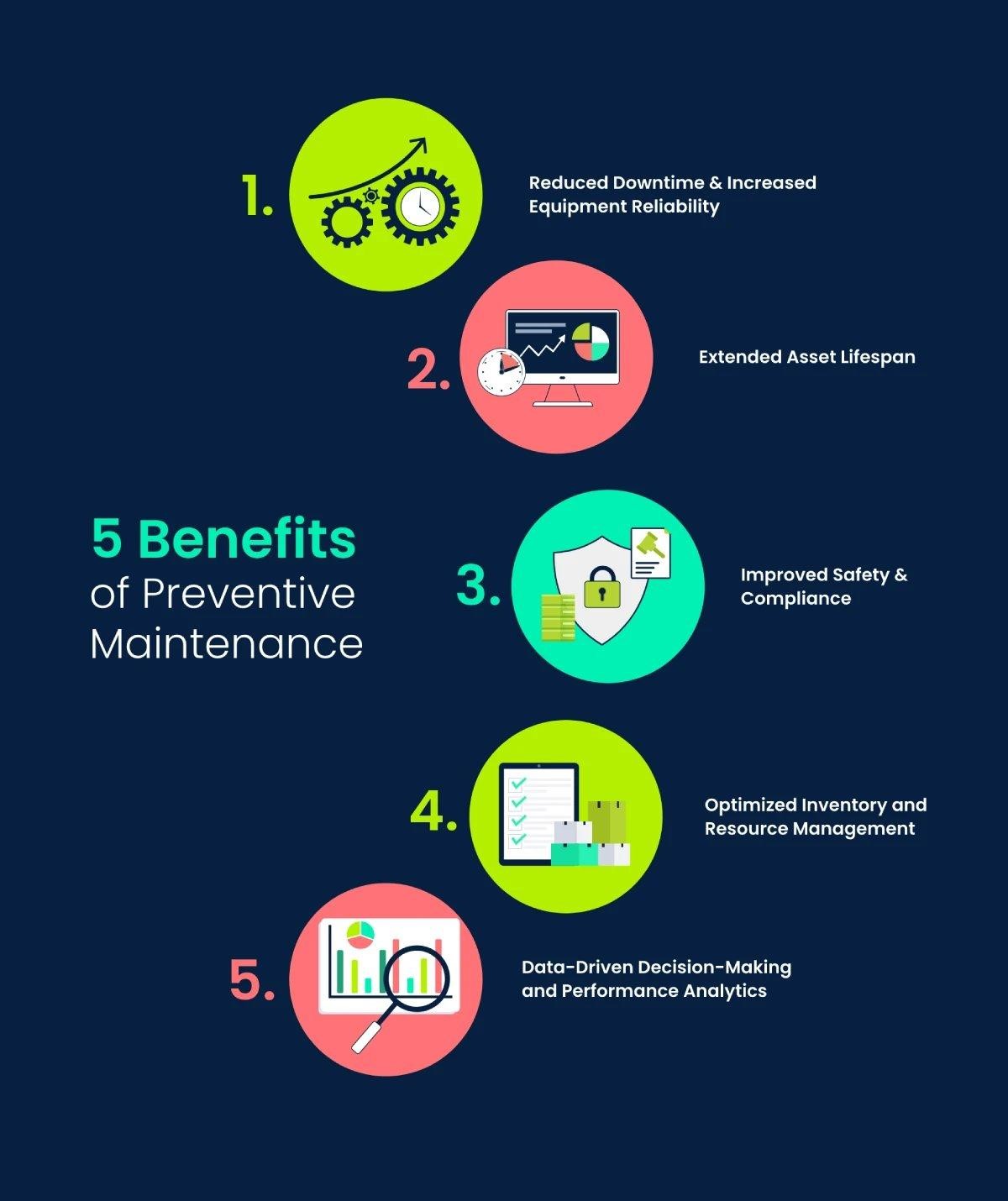
Nov 22nd 2025
In the world of engineering and facility management, reactive maintenance—fixing things only after they break—can be costly and disruptive. That’s why more organizations are shifting to preventive maintenance, a proactive...
Read More