
عربي
عربي
Passionately developing careers since 2000.
عربي
عربي

Nov 22nd 2025
With the rise of Industry 4.0, maintenance has entered a new era. Gone are the days of relying solely on fixed schedules or emergency repairs. Today, predictive maintenance—powered by data, sensors, and AI—is transforming how companies manage their assets.
Predictive maintenance uses real-time monitoring to detect early signs of equipment failure. Vibration analysis, thermal imaging, and IoT-enabled devices collect continuous data that is analyzed to predict when a machine will need servicing.
This approach allows organizations to schedule maintenance only when necessary, reducing costs and avoiding unnecessary downtime. It also prevents catastrophic failures that may damage equipment or endanger personnel.
Companies that adopt predictive strategies benefit from higher asset availability, optimized maintenance resources, and better safety records. Over time, the system “learns” patterns and becomes even more accurate in its predictions.
Implementing predictive maintenance does require investment in technology and training—but the return is significant in terms of reliability, efficiency, and cost savings.
Takeaway: Predictive maintenance is not just a trend—it’s the future of smart engineering.
Nov 22nd 2025
While maintenance plays a crucial role in asset longevity, the smartest way to reduce maintenance costs is to engineer systems that require less of it from the start. This proactive...
Read More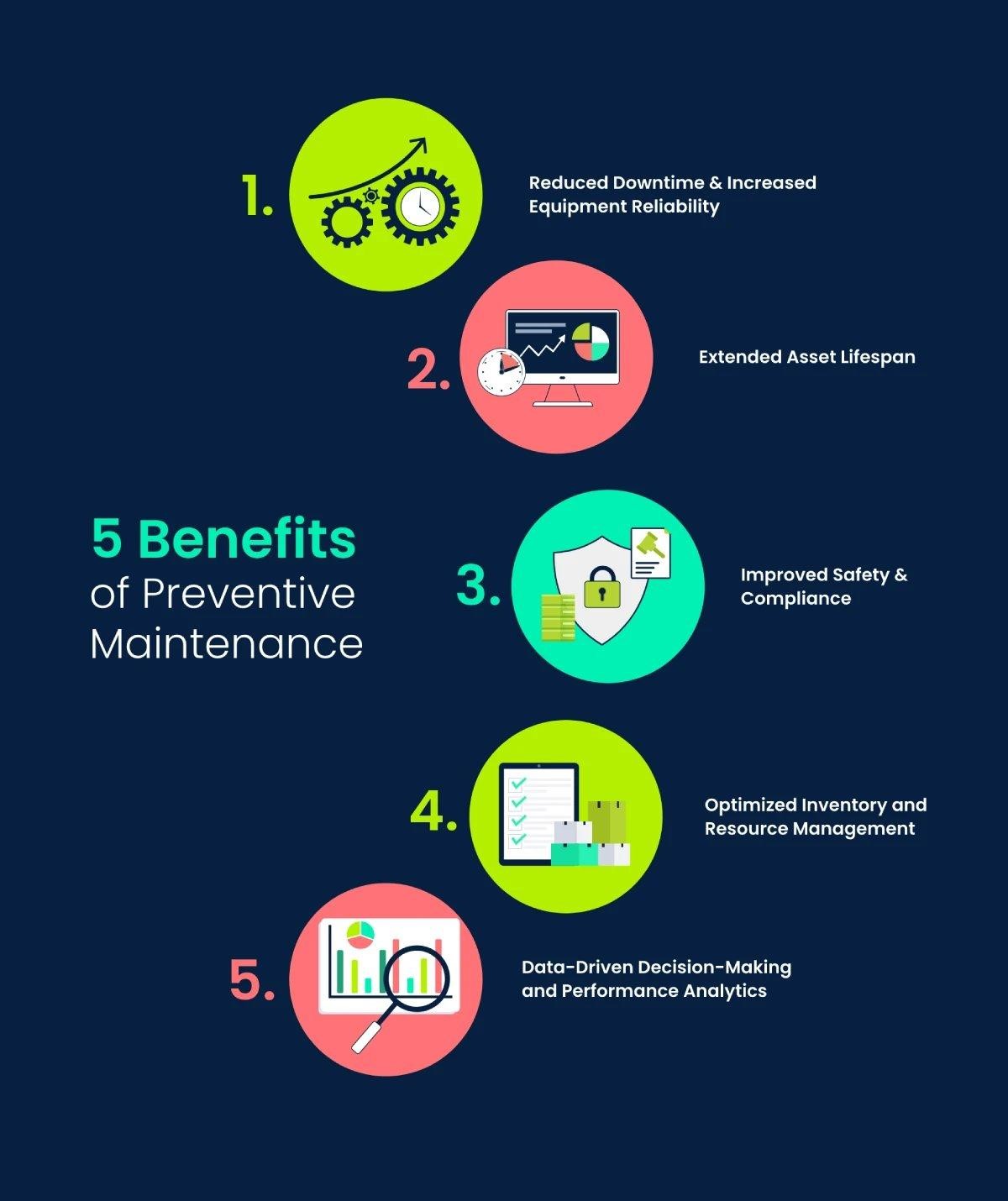
Nov 22nd 2025
In the world of engineering and facility management, reactive maintenance—fixing things only after they break—can be costly and disruptive. That’s why more organizations are shifting to preventive maintenance, a proactive...
Read More